Elevate Your Excellence


The Neurobiology of the Brain Body Connection for Elite Athletes
 In the world of sports, achieving peak performance is the ultimate goal for athletes. While physical training and skill development play crucial roles, the brain-body connection stands as the unsung hero behind extraordinary athletic feats.
This intricate relationship between the brain and the body is a fascinating interplay that not only influences an athlete’s performance but can also be harnessed to unlock untapped potential.
The Mind-Body Symbiosis and Physical Performance
To master the mind body connection, one must first understand the biological hardware. The brain and body work in tandem, creating a symbiotic relationship that is essential for optimal sports performance.
The brain serves as the command center, orchestrating complex movements, coordinating muscle contractions, and processing sensory information via the nervous system.
Meanwhile, the body provides the canvas upon which the brain’s instructions are executed. This partnership is the cornerstone of an athlete’s ability to perform at their best.
This biological synergy is why mindset beats skill every time; your physical prowess is only as effective as the mental framework directing it.
Research indicates that elite athletes possess a more refined nervous system than the general population. Their brain cells (neurons) are better at “firing and wiring” together to create efficient pathways.
 This physical prowess is not just about the size of the muscles, but the speed and clarity of the signals sent from the brain-body interface. When a basketball player makes a split-second transition from a dribble to a jump shot, they are relying on a robust brain-body connection to manage the physical exertion while maintaining high levels of cognitive function.
For example, when an elite sprinter is in the blocks, their brain-body connection is already operating at 100% before the gun even fires.
The Brain-Body Mechanism: This is known as feedforward control. The brain anticipates the physical exertion and begins priming the muscles by increasing blood flow and neural firing rates.
The Result: By the time the gun goes off, the nervous system has already bridged the gap between the brain and the body, resulting in a reaction time that feels instantaneous—a hallmark of peak performance.
Stop guessing and start winning. Call us today at 1 888-885-1736 to speak with an expert coach.
Neuroplasticity and Skill Acquisition
Neuroplasticity, the brain’s ability to reorganize itself and form new connections, plays a pivotal role in skill acquisition. As young athletes engage in repetitive and focused training, the brain adapts by strengthening neural pathways associated with specific movements.
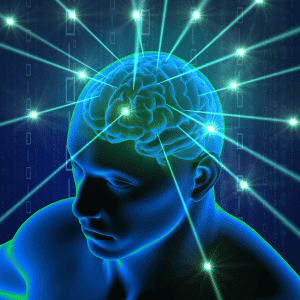 This phenomenon allows them to refine their skills, enhance muscle memory, and ultimately improve overall athletic performance.
This isn’t limited to physical fitness alone. The brain is constantly creating new challenges for itself. When athletes push through physical limits, they are essentially teaching their brain that the effort is safe. This builds sustained excellence.
For elite athletes, training the brain is just as important as the physical prowess developed in the gym. Every time a player practices a drill, they are physically changing the structure of their brain, making the brain-body connection more resilient and efficient.
This structured approach to rewiring the brain is exactly how high performers set goals that actually stick, ensuring long-term commitment beyond the initial motivation.
How Insights Group South Bridges the Gap
Understanding the science is only the first step; mastering it requires a specialist. Insights Group South provides high-performance coaching designed specifically to help elite athletes optimize the brain and body connection.
There is immense power in working with a former athlete for your peak performance, as they understand the unique marriage of physical demands and mental strain.
By integrating sports psychology with neurological strategies, IGS helps you move from theory to sustained excellence:
Precision Mental Training: We address individual differences, building mental skills that help you stay sharp during high-stakes moments.
Neural Optimization: Our coaching refines your decision-making and cognitive function, ensuring your prefrontal cortex and muscles work in perfect harmony.
Emotional Mastery: We teach advanced self-regulation to eliminate self-doubt and help you access the flow state consistently.
Resilience & Recovery: We help you implement recovery strategies to protect your mental health and keep your nervous system ready for competition.
Contact us at 1 888-885-1736, start training the most important muscle in your body: your brain.
Mental Toughness and Resilience
Peak performance is not solely a physical endeavor; it requires mental fitness and resilience. Athletes who cultivate a strong mind-body connection can better navigate the challenges of competition, overcome setbacks, and stay sharp under pressure.
Cultivating this resilience requires mental reps high performers never skip to ensure they are prepared for any high-stakes scenario.
 Emotional regulation and emotional control are vital components of the mental game. High-stakes moments often trigger negative emotions like anxiety or fear, which can hinder performance.
However, through self-awareness, athletes can recognize these physical sensations—like a knot in the stomach—and use strategies such as visualization and positive self-talk to pivot.
This self-regulation prevents self-doubt from sabotaging their athletic performance. Moreover, maintaining high self-esteem and mental health ensures that the athlete can handle pressure without burning out, contributing to a career of sustained excellence.
For Example:
Consider a basketball player at the free-throw line during the final seconds of a championship game. While their physical fitness allows them to shoot, their performance outcomes depend on emotional regulation.
The Brain-Body Mechanism: In stressful situations, the prefrontal cortex may become overactive, leading to “choking.” Elite athletes learn to use rhythmic physical sensations (like bouncing the ball three times) to trigger a “quiet eye” period.
The Result: This self-regulation lowers the heart rate and allows the motor cortex to execute the shot without interference from self-doubt.
Learning how to avoid the amygdala hijack is essential for leaders and athletes alike to maintain optimal functioning when the pressure is at its highest.
The Role of Emotions
Emotions are powerful influencers of sports performance, and their impact is deeply rooted in the brain-body connection. Positive emotions, such as excitement and joy, can enhance motivation and energy levels, while negative emotions, like anxiety and fear, may hinder performance.
 Athletes who develop emotional intelligence and learn self-regulation can optimize their brain-body connection for consistent peak performance. Research in sports psychology indicates that physiological responses to stress—such as increased heart rate or shallow breathing—can be modulated through emotion regulation.
When an athlete can stay calm in stressful situations, they allow the prefrontal cortex to maintain clear decision-making capabilities. Mastery of this state allows for thriving under pressure, turning intense competition into a platform for your greatest achievements.
Is your brain holding you back from the “Zone”? Learn how our elite coaching at 1 888-885-1736 can help you access the flow state consistently during competition.
Flow State: The Ultimate Fusion of Mind and Body
The elusive “flow state” represents the pinnacle of the brain-body connection in sports. Often described as being “in the zone,” athletes in a flow state experience a seamless fusion of mind and body, where actions and decisions occur effortlessly and without conscious thought.
Achieving this state requires a delicate balance of challenge and skill, intense focus, and a heightened sense of self-awareness—a testament to the profound connection between mental and physical aspects of performance.
In this state, the athlete’s ability to perform reaches its zenith because the brain and body are no longer operating as separate entities, but as a single, fluid unit of athletic performance.
Recovery Strategies: Avoiding Poor Recovery and Burnout
One of the most overlooked aspects of the brain body connection is the impact of poor recovery. Athletic performance is not just built during physical exertion; it is solidified during sleep and rest. Research shows that during sleep, the brain consolidates the technical skills learned during the day.
 Without proper recovery strategies, the nervous system stays in a state of high sympathetic arousal. This leads to poor recovery, increased risk of injury, and a decline in cognitive function.
Prioritizing your cognitive health through coaching should be as routine as your annual physical to ensure long-term sustainability and prevent burnout.
Elite athletes use strategies like meditation and self regulation to signal to their body that it is time to recover. This is essential for maintaining the physical prowess required for success in athletic pursuits.
Proprioception: The Body's Internal GPS
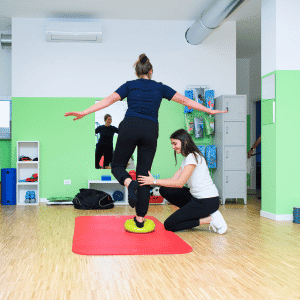 Proprioception is the “sixth sense”. The brain’s ability to perceive the body’s position in space. This is a fundamental part of the brain-body connection. If an athlete’s proprioceptive signals are sluggish, their physical performance will be uncoordinated.
By focusing on the physical sensations of movement, athletes learn to fine-tune their athletic abilities. This is why physical education and training often include balance and reaction drills.
When the brain receives accurate data from the muscles, decision making becomes faster and more accurate, especially during the chaotic moments of competition.
Training the Brain-Body Connection
Athletes can actively train and enhance their brain-body connection through various strategies. Incorporating neurofeedback, cognitive function training, and mindfulness practices into their routines can optimize brain function and improve overall performance.
Additionally, cross-disciplinary training that combines physical and mental skills exercises can create a more integrated and harmonious mind and body connection.
Consistent practice is the key to staying consistent with your mindset and training, even when external schedules become chaotic or the off-season arrives.
For young athletes, developing self-awareness and self-esteem is just as critical as building physical fitness. As our understanding of neuroscience and sports psychology continues to evolve, athletes and coaches alike can leverage this knowledge to refine training methods, cultivate mental resilience, and ultimately elevate their performance to unprecedented levels.
Overcoming Individual Differences and Stress
Every athlete is unique, and individual differences play a significant role in how the brain and body connection is developed. Some athletes may naturally stay sharp and handle pressure better, while others may need to work harder on emotional control.
By utilizing cognitive behavioral strategies to manage transition, athletes can overcome the challenges of their own biology to achieve success.
 Recognizing these individual differences allows for more effective performance outcomes. Whether it is a basketball player at the free-throw line or a sprinter in the blocks, the ability to stay calm and improve focus under stress is a learned ability.
Through self-regulation and consistent effort, athletes can overcome the challenges of their own biology to achieve success.
Conclusion - A Holistic Path to Greatness
In the pursuit of peak performance, recognizing and nurturing the brain-body connection is paramount for athletes. The intricate dance between the mind and body not only defines the limits of human potential but also offers a pathway to unlocking new heights of achievement.
The journey to peak performance is a holistic endeavor that requires a united front from the brain and body—a partnership that, when harnessed effectively, can propel athletes to greatness.
As we look toward the future of sports, it is clear that the integration of mental health, physical prowess, and neurological training will be the standard for sustained excellence.
Master your emotions, master your game. Connect with us at 1 888-885-1736 to learn the self-regulation techniques that stop “choking” in its tracks.
By mastering the mind and body, athletes do not just perform better—they redefine what is possible in the realm of athletic performance. Ultimately, the secret to reaching the next level of human capability lies in the mastery of the brain body connection for elite athletes.