Mental Wellness in the Workplace
At an individual or organizational level, we can help you achieve your goals for optimal functioning.
“A healthy workforce is the foundation for thriving organizations and healthier communities,” says U.S. Surgeon General Vivek Murthy, MD. “As we recover from the worst of the pandemic, we have an opportunity and the power to make workplaces engines for mental health and well-being.”
Psychological research underscores the value of mental health support in the workplace, including evidence-based training that empowers employees and strengthens organizations.
Centering mental health in workplace policies and culture is no longer optional, it’s essential. The nation continues to face financial pressures, pandemic-driven shifts, and rising levels of stress among Americans.
Four in 10 U.S. employees say their job negatively impacts their mental health, and fewer than one in four feel their organization truly cares about their well-being, a sharp drop from pre-COVID levels.
Employees are experiencing unprecedented stress, burnout, and disconnection. Addressing these challenges head-on can improve morale, retention, and performance.
Learn how Dr. Robin’s expertise can help your organization foster lasting mental wellness.
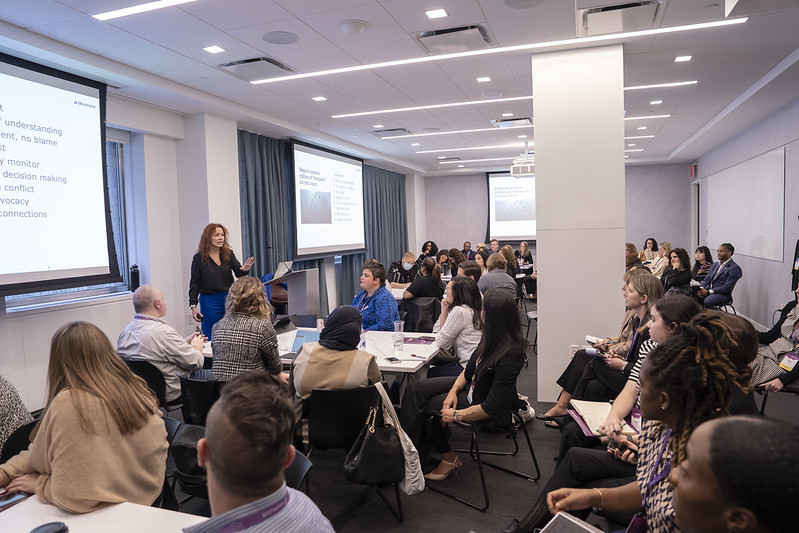
Talks include:
Mind Matters: Navigating Mental Health in the Workplace
Ignoring mental health struggles, whether personal or among colleagues, only makes them worse. This stigma-driven approach harms individuals and organizations alike.
By learning to recognize, address, and sustain mental well-being, organizations gain a long-term competitive edge. This session provides practical prevention and intervention strategies that equip individuals to care for themselves and support others.
Cognitive Behavioral Tactics (CBT): Making your brain your ally
Too often, our brains work against us. Society reinforces the myth that emotions “just happen” and can’t be managed, when in fact, they can.
In this session, you’ll learn powerful cognitive-behavioral tools to reframe thoughts that fuel stress, burnout, perfectionism, and imposter syndrome. Walk away with actionable strategies to harness your mind for optimal professional and personal performance.
Wingsuits at Work: Creating psychological safety for professional risk taking
Innovation thrives where authenticity and risk-taking are encouraged. This talk shows leaders how to create a culture where team members feel safe to push boundaries, share openly, and be vulnerable, fostering good mental health and supporting workplace mental health.
Using specific leadership approaches and cognitive-behavioral strategies, participants will learn how to build environments that drive change and growth, enhance workplace culture, and focus on improving mental health across the organization.
Walk the Talk: Helping leaders use storytelling to create a mental wellness culture
Leading by example is one of the most powerful ways to support mental health and foster a mental health–positive workplace. Leaders who authentically share their own stories send a strong message: mental health at work matters as much as physical health, and it plays a vital role in worker mental health.
This session helps leaders find their voice, share their stories effectively, inspire meaningful cultural change, and learn how to manage stress while modeling healthy practices.
The Cast of the A-Team: The power of allyship, advocacy, and activism in the workplace
Allyship, advocacy, and activism each have unique roles in driving organizational progress. This session explores how to navigate these roles effectively, manage the thoughts that limit impact, and apply cognitive-behavioral strategies to spark lasting change.
Why Mental Wellness in the Workplace Matters
Focusing on mental wellness in the workplace is more than a trend; it’s essential for thriving teams and organizations. When employees experience workplace stress, it can impact their health, productivity, and overall job satisfaction, sometimes leading to anxiety.
Creating mentally healthy workplaces means providing workplace resources, reasonable accommodations, and systems that actively support workers and promote mental well-being, while helping employers foster a culture that builds trust.
Organizations face challenges like psychological hazards, high turnover, and labor shortages. Addressing these issues proactively can improve health, help employees complete tasks efficiently, and allow everyone to contribute meaningfully, leveraging each individual’s unique ability.
Simple practices such as active listening, fair work hours, and positive interactions among co-workers foster a welcoming work environment where everyone can thrive and enjoy a balanced life.
Practical Strategies to Reduce Stress and Boost Productivity
Reducing stress at work is key to improving mental wellness in the workplace. Leaders can introduce initiatives to reduce stress, such as short wellness breaks, team-building exercises, and encouraging physical activity during the day.
These approaches not only enhance mental health but also increase productivity and the overall benefits of a healthy workforce.
Providing accessible resources and training helps employees manage challenges like depression or burnout before they escalate.
By equipping teams with practical tools and techniques, organizations help staff develop new skills that strengthen resilience and engagement. Investing in these practices shows employees that their well-being is valued, which boosts morale and reduces turnover.
Creating a Culture of Support
Building mentally healthy workplaces requires more than programs—it requires culture change. Leaders play a significant role in modeling healthy behaviors and creating psychological safety. Encouraging open conversations, promoting transparency, and recognizing employee efforts all support mental well-being.
Using strategies like active listening during meetings, offering mentorship opportunities, and ensuring reasonable work hours strengthens workplace relationships.
Employees who feel heard and supported are more likely to take initiative, collaborate effectively, and maintain high levels of engagement.
Empowering Employees with Resources and Skills
Providing employees with workplace resources, from wellness apps to coaching programs, helps them navigate workplace challenges with confidence.
Access to tools that improve mental wellness in the workplace equips employees to manage stress, prevent burnout, and maintain focus.
Workshops and training sessions can teach techniques to handle psychological hazards, manage competing priorities, and foster a balanced approach to work.
Encouraging physical activity, taking mindful breaks, and providing opportunities to learn new skills creates a healthier and more productive workforce. These strategies also provide long-term benefits for both employees and the organization.
Supporting Leaders to Drive Change
Leaders have a significant role in shaping workplace culture. By actively participating in mental wellness initiatives, leaders demonstrate that employee health matters.
Programs that address workplace stress, depression, and communication challenges allow leaders to better support workers and create an environment where employees thrive.
Providing guidance on conflict resolution, effective feedback, and time management ensures that staff can complete tasks efficiently while maintaining mental well-being.
Leaders who practice active listening, model healthy behaviors, and recognize employee efforts help cultivate mentally healthy workplaces.
Lasting Impact on Your Organization
Organizations that invest in mental wellness in the workplace see tangible results: improved productivity, reduced turnover, and a workforce equipped to face challenges.
Addressing stress, promoting physical and mental health, and providing access to resources ensure employees can thrive both professionally and personally.
By prioritizing mental wellness, organizations create a culture that empowers employees, strengthens teams, and delivers meaningful benefits.
Focusing on mental wellness in the workplace isn’t just a policy; it’s a long-term strategy that leads to healthier, happier, and more productive employees.