Elevate Your Excellence


Understanding the Neuroscience: How to Avoid the Amygdala Hijack
To master self regulation, one must first understand the biological theater where these intense emotions play out. The amygdala hijack involves a rapid shift in neural control where the emotional center of the brain bypasses our capacity for rational thought.
 The Anatomy of an Emotional Hijacking
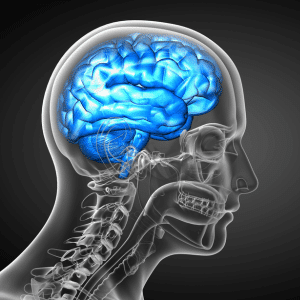 The Anatomy of an Emotional Hijacking
The limbic system, specifically the amygdala, serves as the body’s primary survival mechanism. Its job is detecting threats triggering a cascade of stress hormones, such as cortisol and adrenaline.
This fight or flight response was essential for our ancestors, but in a boardroom, this sudden emotional reaction can damage relationships and lead to regret.
When an amygdala hijack occurs, the amygdala takes over, and the brain reroutes more blood away from the frontal lobes and toward the areas responsible for movement and survival.
This means the thinking parts of your brain—the prefrontal cortex—are essentially ‘offline,’ but you can bridge this gap by harnessing executive coaching for optimal functioning.
Identifying the Signs of an Intense Emotional Reaction
Does this sound familiar? You’re in a meeting, someone challenges your integrity, and suddenly your blood pressure rises, you have tense muscles, and you feel a sudden emotional reaction that feels impossible to control. These are the physical symptoms of your nervous system entering fight or flight.
Common Triggers for a Full Blown Amygdala Hijack
While a car accident or a genuine actual physical threat will trigger this, most modern “attacks” are psychological.
Understanding how to manage these triggers is essential for navigating the storm of modern leadership challenges.
- Road rage: A classic example of the emotional hijacking of the rational brain.
High-Stakes Negotiations: Where strong emotions can cloud rational thinking.
Fear Conditioning: Past emotional memories stored in the limbic system can cause us to overreact to small emotional cues.
 Road rage: A classic example of the emotional hijacking of the rational brain.
Strengthening these connections is part of learning how to control your brain for optimal functioning in high-stakes environments.
For those dealing with mental health conditions such as post traumatic stress disorder (PTSD), panic disorder, or anxiety disorders, these reactions can be even more frequent and intense.
In clinical psychology, functional neuroimaging has shown that in people with chronic stress, the amygdala is often enlarged and hyper-reactive.
Don’t let your biology sabotage your leadership. Work with our coaches to master the self-regulation tools needed to stay in control when the pressure is on.
The Role of Executive Coaching in Neural Pathway Refinement
Executive coaching is not just about business strategy; it is a form of stress management that trains the rational brain to stay in command. By focusing on emotional regulation, coaches help leaders bridge the gap between a bodily response and a thoughtful decision.
Strengthening the Prefrontal Cortex
The prefrontal cortex is responsible for the following functions:
Planning ahead
Organizing complex thoughts
Regulating emotional responses
Inhibiting unwanted emotions
 Through significant effort and coaching, you can strengthen the connection between the thinking brain and the emotional center. This process allows you to notice things about your internal state before they escalate into a full-blown amygdala hijack.
Discover the transformative benefits of Cognitive Behavioral Coaching and how it stabilizes leadership during times of chaos.
Master the Calm
At Insights Group, we specialize in transforming high-pressure reactivity into high-performance leadership. We provide the tools and coaching necessary to bridge the gap between a stressful trigger and a thoughtful response.
Custom Trigger Mapping: Identify your specific psychological “predators” before they cause a hijack.
Neural Refinement: Strengthen your prefrontal cortex through executive coaching to keep your rational brain “online” during crises.
Practical Circuit Breakers: Develop a bespoke toolkit of breathing and reframing techniques tailored to your high-stakes environment.
Stop reacting and start leading. Book a consultation with us today to master your emotional intelligence and lead with total clarity.
Immediate Strategies: How to Stop an Amygdala Hijack in Progress
If you find yourself in the middle of an intense emotional moment, you need a circuit breaker. You cannot argue with your emotional brain; you have to physically calm your nervous system.
Deep Breathing: It is a biological fact that deep breathing calms the fight or flight response. By slowing your breath, you signal to the brain that there is no immediate danger. Addressing the physiological rollercoaster of change requires active tools to signal safety to the brain in real-time.
Label the Emotion: Simply saying, “I am feeling intense emotions right now,” moves activity from the amygdala to the prefrontal cortex.
Momentarily Distract: Count backward from ten or notice changes in the room. This forces the thinking parts of the brain to engage, which helps you momentarily distract from the strong emotions.
Practice Mindfulness: When you practice mindfulness, you learn to observe emotional reactions without being swept away by them.
Long Term Prevention and Mental Health
While immediate tactics work in stressful times, long-term prevention requires a consistent meditation practice. Research by psychologist Daniel Goleman, who popularized the term amygdala hijack, suggests that emotional intelligence is a muscle that can be built over time.
The Power of Positive Emotions
Cultivating positive emotions and a mindful way of living helps dampen the amygdala’s sensitivity. When we are not living in a state of chronic stress, our rational brain has the “bandwidth” to perform at its peak. This is essential for mental health and prevents the burnout associated with constant emotional reactions.
Dampening the amygdala’s sensitivity is a core component of thriving under pressure for peak performance.
Strategy | Goal | Effect on the Brain |
Deep Breathing | Instant Calm | Lowers blood pressure & cortisol |
Meditation Practice | Self Regulation | Shrinks the amygdala’s reactivity |
Cognitive Reframing | Rational Thinking | Engages the prefrontal cortex |
Labeling Triggers | Emotional Intelligence | Short-circuits, the amygdala takes over |
Transform your leadership from reactive to proactive. Partner with us to build a resilient mindset that thrives under pressure.
Developing Your "Best Self" Through Self-Awareness
 Becoming your best self in a leadership role means taking control of your body’s response. When you can notice things early—like your heart rate increasing or your jaw clenching—you have the power to choose your best response rather than a reactive one.
Executive coaching provides the framework for this significant effort. It allows you to explore emotional memories that might be causing unwanted emotions today.
By understanding the clinical psychology behind your actions, you move from being a victim of your biology to a master of your psychology.
Summary of Tactical Steps
Notice changes in your body early.
Use deep breathing to signal safety to the limbic system.
Engage the prefrontal cortex by planning ahead for known triggers.
Foster emotional intelligence to ensure your rational brain stays in charge during stressful situations.
This mental shift is a primary reason why your thinking determines true success more than technical skill alone.
Conclusion: Leading with the Thinking Brain
In the modern workplace, your ability to remain calm is your greatest competitive advantage. While the amygdala hijack is a natural survival mechanism, it is often ill-suited for the complexities of organizational leadership.
By investing in emotional regulation, practicing meditation, and working with a coach to refine your rational thought processes, you can protect your mental health and lead your team with confidence.
Whether you are navigating stressful times or simply trying to improve your daily interactions, the goal is to ensure that your rational brain—not your emotional brain—is the one making the final call.
Ready to lead with total clarity? Don’t let high-stakes moments dictate your legacy. Connect with Insights at 1 888-885-1736 to master your emotional intelligence and ensure you stay in command when it matters most.
When you prioritize self-regulation and understand the interplay between your amygdala and frontal lobes, you unlock a new level of professional and personal success. Ultimately, the most effective leaders are those who have mastered how to avoid the amygdala hijack.