Elevate Your Excellence


Dr. Robin Buckley said, “Why I gave my teenage daughter a vibrator and you should too” in this eye-opening TED talk.
Core idea: A parent explains how empowering teenage girls to understand their bodies and sexual health—including pleasure—can build safety, confidence, and leadership, challenging stigma around female sexuality.
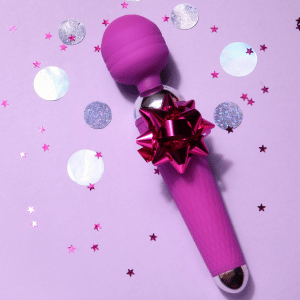 Why it matters: Discomfort around female pleasure often blocks essential education. Open, trust-based conversations help teens make informed, healthier choices.
Key points:
- Parents should be accessible resources who provide accurate, age-appropriate information.
- Masturbation and exploration are presented as normal and healthy aspects of development that can help reduce stress, ease cramps, and enhance body awareness.
- Personal example: purchasing a vibrator for my daughter after learning she needed safer ways to explore, illustrating the practical tools for making safer, more informed decisions.
- Distinction between discussions of female pain/health and female pleasure; a push for integrating both into comprehensive sexual education.
- Broader impact: Understanding and articulating personal needs and pleasures can empower girls to take on leadership roles in all areas of life.
Takeaway for audiences:
- Normalize sexuality conversations with teens.
- Equip youth with honest information and practical resources.
- Support girls in owning their bodies and desires as a path to empowerment in personal, professional, and public life.
Link to the talk: https://www.youtube.com/watch/h1yJYnCbNHM
Reframing Conversations About Pleasure and Parenting
Most parents hesitate to talk about sex, masturbation, or pleasure with their kids, often out of fear or discomfort.
Yet Dr. Robin Buckley’s “Why I gave my teenage daughter a vibrator and you should too” reminds us that avoiding these subjects leaves children searching for answers elsewhere—often from unreliable sources or ads.
A frank conversation led by informed adults helps young women connect with their bodies in a safe, respectful, and age-appropriate way. This open dialogue doesn’t promote early sex; it promotes understanding, safety, and security.
Education, Empowerment, and Emotional Safety
 From a clinical psychology perspective, Buckley emphasizes that teenage daughters benefit from learning about their bodies through accurate and compassionate education.
READ: When Couples Should Seek Coaching
When parents provide tools—like a vibrator—to explore safely, it helps teens develop knowledge, confidence, and respect for their own experiences.
Encouraging girls’ sexual pleasure within a framework of self-acceptance and protection fosters independence and self-worth. This approach helps teenagers embrace ownership of their identities and make informed decisions as they grow into adult women and future partners.
Changing the Narrative for Future Generations
Dr. Buckley’s talk challenges how we frame discussions about girls, pleasure, and sexuality. By treating these subjects as normal parts of development rather than taboo, we create space for connecting women across ages and experiences.
When a parent can say, “I gave my teenage daughter a vibrator,” it sends a message that curiosity is not shameful—it’s human—empowering young women to explore safely, to hear their own voices, and to accept their bodies, levels the playing field.
READ: Re-Ignite Your Sexual Desire – 40 Sex Therapists Share Their Advice
 This honest education helps teenagers navigate relationships, understand their partners, and carry that confidence into every area of their lives.
Many parents worry that introducing a sex toy too early could confuse or overexpose children, but research shows that conversations can begin at early ages in ways that are gentle, informed, and respectful.
As girls reach different ages, they find themselves comparing, learning, and growing; it becomes important to protect them through truth rather than silence.
Parents who watch their kids mature know how naturally curious they become about their bodies. It’s relevant for families to approach these topics with honesty rather than fear, helping teens understand that to masturbate is a normal part of self-discovery.
There’s no need to wait until adulthood. Open dialogue can be part of a thoughtful, age-appropriate course in emotional and sexual education.