Elevate Your Excellence


 The article highlights alarming examples from the U.S., including New Hampshire, where laws allow children as young as 13 to marry with parental permission, and the age of consent is set as low as 16, enabling adult men to legally have sexual relationships with teenagers.
The author, with over thirty years in mental health and education, argues that these laws fail to protect children from exploitation.
Scientifically, adolescent brains—specifically the frontal lobe responsible for decision-making and impulse control—are not fully developed until about age 25, making teenagers ill-equipped to handle the consequences of marriage or adult sexual relationships.
Laws that permit such unions or sexual acts effectively treat children and young females as expendable property rather than vulnerable individuals in need of protection.
The article calls for society to critically reconsider and reform outdated laws that enable exploitation and fail to safeguard children’s and women’s rights.
Read the full details at Questioning the culpability of laws in the exploitation of children.
The Gap Between Recognizing and Responding to Suspected Child Abuse
While laws exist to report child abuse, their effectiveness depends entirely on how well communities understand when intervention is necessary.
Many adults struggle to identify the warning signs of child sexual exploitation, often dismissing concerning behaviors as teenage rebellion or cultural differences.
The reality is that exploited children rarely self-report because they may not recognize their situation as harmful, especially when legal frameworks have normalized certain adult-child dynamics.
READ: Tip #5: How to thrive as a powerful woman (math)
 When a young person shows signs of emotional harm—withdrawal, sudden behavioral changes, or age-inappropriate knowledge—bystanders must act.
Understanding the specific federal statutes that define and prosecute these crimes can empower communities to better protect vulnerable youth; the U.S. Department of Justice provides comprehensive guidance on federal child exploitation laws that clarify when situations cross into criminal territory.
However, the legal responsibility to intervene becomes complicated when the very laws meant to safeguard child welfare contain loopholes that permit relationships between minors and adults.
Training programs that help citizens recognize physical abuse and child criminal exploitation are essential.
Still, they’re undermined when statutory frameworks contradict protective instincts by allowing marriages or sexual relationships that would otherwise constitute sexual abuse.
READ: Why Seeing a Coach Should Be as Routine as Your Annual Physical
From Commercial Sexual Exploitation to Human Trafficking: The Legal Pipeline
Laws that permit child marriages and normalize significant age gaps in relationships create a dangerous foundation that extends far beyond individual cases—they establish patterns that facilitate commercial sexual exploitation and human trafficking.
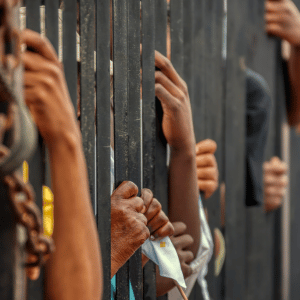 When states allow minors to marry adults, they inadvertently provide legal cover for those who would otherwise face prosecution for child exploitation.
These frameworks create vulnerabilities that traffickers actively exploit, knowing that certain jurisdictions offer less child protection than others.
The connection to child pornography is also significant: adolescents in legally sanctioned but exploitative relationships are more susceptible to coerced documentation of sexual activity.
READ: Feminine Wiles for Equity
Rather than strengthening mechanisms to report child abuse through mandatory training and clear protocols, some legislative efforts have focused on maintaining outdated statutes that prioritize adult autonomy over childhood safety.
Effective child protection requires examining how seemingly separate legal issues—marriage age, consent laws, and anti-trafficking statutes—interconnect to either shield or expose vulnerable populations to systematic exploitation. This also involves questioning the culpability of laws in the exploitation of children.