Elevate Your Excellence


Key insights include:
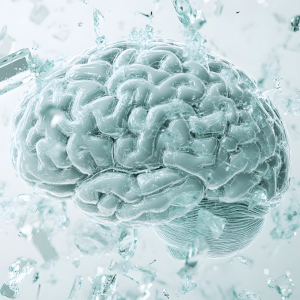 The Role of Thoughts: Emotions stem from thoughts, not the other way around. To manage emotions effectively, identify the specific thoughts creating them, then replace anxiety-provoking thoughts with factual evidence and data about your qualifications and past successes.
The Role of Words: The language you use with yourself shapes your thoughts and emotions. Replace pressure words like “should,” “have to,” and “must” with empowering words like “want” and “will” to regain control and shift from obligation to choice.
The Role of the Brain: Your brain focuses on whatever you direct it toward through a process called “priming.” Rather than telling your brain you hate your job, reframe your perspective to focus on what you appreciate, allowing your brain to find supporting evidence for more productive thoughts.
The Role of Choice: Mental preparation is just as important as physical preparation. You have the power to choose which thoughts to encourage, which words to use, and where to direct your brain’s energy to achieve peak performance.
Read the full article here to dive deeper into these brain optimization strategies.
Strengthening Brain Function Through Mindful Control
To boost brain function and achieve peak performance, learning how to control your brain for optimal functioning is essential. Research suggests that mental health and cognitive health improve when you consciously direct your brain activity toward positive and productive thoughts.
By replacing limiting beliefs with empowering language, you keep your brain focused and enhance mental function, helping your brain cells and nerve cells stay active.
Engaging your cognitive abilities in this way not only supports brain health but also strengthens thinking skills and overall cognitive function.
READ: Who’s on your A-Team?
Supporting Cognitive Health and Reducing Decline
Maintaining brain-healthy habits like regular physical activity, balanced nutrition, and good night’s sleep helps prevent cognitive decline and memory loss.
Harvard Health Publishing notes that activities such as brisk walking, tai chi, or even real-world learning can improve brain function and promote new neural pathways.
Choosing plant-based foods, whole grains, olive oil, and healthy fats while limiting red meat and two drinks or less (up to one drink ideally) can lower blood pressure, stabilize blood sugar, and protect blood vessels.
These habits contribute to keeping your brain young and reducing your risk of developing Alzheimer’s disease or cognitive impairment.
READ: Embracing Change as a Pathway to Growth and Transformation
Enhancing Mental Focus and Building New Connections
 Activities that challenge the mind—like brain training, learning a new language, or practicing a musical instrument—help improve memory, reduce stress, and strengthen executive functions.
You can also play games such as crossword puzzles, jigsaw puzzles, or start a new hobby to keep older adults mentally engaged in everyday life. These experiences stimulate brain connections, enhance mental focus, and foster the formation of new connections between nerve cells.
Combined with moderate aerobic activity, such as regular exercise, these strategies help you stay brain sharp and brain active, supporting your cognitive skills and ability to handle daily tasks effectively.
Building Everyday Habits to Strengthen Brain Power
Supporting your brain power isn’t just about mental exercises—it’s also about creating lifestyle habits that nurture cognitive health.
When you exercise regularly, you increase blood flow to the brain, improve memory, and lower the risk of stroke and dementia. Practicing balance and coordination routines can also help prevent falls, especially as you age.
READ: Cognitive Behavioral Strategies to Manage Change and Transition
Challenging your mind with a new skill, such as cooking a different recipe or learning an instrument, keeps your brain adaptable instead of repeating the same things every day.
Managing health conditions like sleep apnea and high blood pressure further supports brain function by ensuring consistent oxygen and nutrient delivery to your neurons.
Together, these small changes form a powerful foundation for long-term mental sharpness and vitality.