Elevate Your Excellence


 The piece argues that cancel culture is lazy and is often a reflexive form of punishment rather than a path to real growth. It points out how calling someone out — especially online — is quick and easy, but doesn’t necessarily foster understanding or change.
Dr. Buckley gives examples, like a teenager being permanently ostracized for a mistake, showing how retribution can override the possibility of education.
Instead, the article proposes embracing a “revision culture” that emphasizes learning, accountability, and transformation. Instead of immediately shutting people out, society (and organizations) should build systems that allow for genuine rehabilitation:
- Protocols: Establish clear procedures for dealing with accusations — determining when punitive action is necessary vs. when rehabilitation is possible.
- Resources: Invest in genuine dialogue and education by building networks (e.g., community leaders, support groups) that can guide people toward growth rather than exclusion.
Dr. Buckley argues that this approach, while more effortful, can produce more lasting, meaningful change. Rather than shaming someone into silence, a revision culture offers healing, understanding, and a route for people to evolve.
You can read the full article on how to push back against lazy cancellation and foster a more growth‑oriented “revision culture” here: How to Fight the Laziness of Cancel Culture.
Why Cancel Culture Is Lazy and Hurts Genuine Connections
Cancel culture is lazy because it reduces complex issues into instant judgments, often shambolically applied on social media.
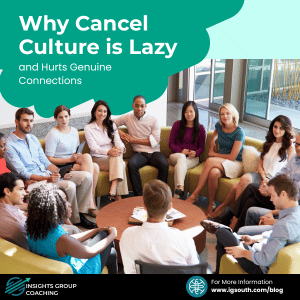 Every day, people, professors, students, and even public figures can be canceled for a specific wrong or an unpopular opinion, whether it involves a racial slur, sexual orientation, or political views.
The very definition of cancel culture highlights the social consequences of fear-driven responses, rather than fostering open discussion or genuine connections.
Conservative politicians, the political right, and the political left alike observe that cancel culture rarely builds bridges; instead, it creates a larger imbalance of power in society.
READ: Is Niceness the New Red Flag for a Toxic Culture?
In American history, similar reflexive public shaming often punished people without allowing learning, demonstrating that cancel culture is lazy and afraid of meaningful debate. Open debate, free and open discussion, and precise language are essential to counteract this reflex.
Platforms like Twitter, op-eds in the Washington Post and New York Times, and community conversations can create spaces where different perspectives and bad ideas are examined, rather than simply silenced.
By focusing on revision culture, society can transform fear into freedom and conversation into life-changing growth, ultimately helping people understand consequences without losing their sense of agency.
Moving Beyond Punishment: Revision Culture Over Cancel Culture
Instead of reflexive shaming, a society that emphasizes open discussion and accountability can challenge the notion that cancel culture is lazy. Cancel culture often targets a person for a mistake—such as a racial slur, a deeply offensive joke, or a misstatement—without considering context.
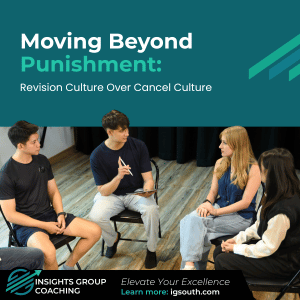 Students, friends, and professors who disagree with certain political views or unpopular opinions are often threatened by social media outrage, demonstrating how fear dominates discourse.
Conservative politicians and vice presidents alike have observed that punitive responses frequently overshadow support, evidence, and opportunities to create genuine connections.
READ: How to Control Your Brain for Optimal Functioning
A revision culture emphasizes resources, protocols, and education that allow people to engage in open debate about bad ideas, sensitive topics like sexual orientation, racism, and culture, and controversial subjects such as JK Rowling’s statements.
By focusing on free speech, free and open discussion, and life experiences, society can build bridges, reduce social consequences, and prevent everyday people from being shamed into silence.
Social media and public opinion should not dictate whether someone is canceled, but rather how society can help them learn, grow, and contribute to community conversations.
Building Bridges Through Open Discussion and Accountability
A culture dominated by cancel culture often discourages everyday people from sharing ideas or engaging in conversation about sensitive topics like sexual orientation, racism, or political views.
The Washington Post and New York Times have noted instances in which cancel culture is applied shambolically, leaving individuals afraid to speak and organizations struggling to maintain open discussion.
Instead, fostering a culture of revision encourages students, professors, and friends to engage with different perspectives, debate bad ideas, and understand social consequences without fear.
READ: Cancel Culture: What Are We Doing to Each Other?
By creating spaces for genuine dialogue, society can move beyond reflexive canceling to a more nuanced approach that emphasizes learning, freedom of expression, and building bridges within communities, showing why cancel culture is lazy.