Elevate Your Excellence


Key points include
- The historical context of cancel culture traces some roots to civil rights movements, where communities used economic power to hold others accountable.
- The shift from “cancel culture” to “consequence culture” is a more constructive approach that involves accountability but leaves room for growth, forgiveness, and redemption.
- The psychological effects of being canceled include lasting digital records of mistakes and the mental health consequences, such as anxiety and depression.
- The generational and societal challenges in understanding and reconciling past behaviors with current social standards.
- The role of social media and technology in documenting and perpetuating cancel culture makes genuine atonement and growth difficult.
- The importance of empathy, listening, and having open conversations to move beyond division and polarization caused by cancel culture.
- Examples of public figures affected by cancel culture and the complex dynamics of accountability, forgiveness, and public perception.
- The connection between cancel culture and personal experiences of ostracism and bullying emphasizes the human need for forgiveness and growth.
- The potential dangers of cancel culture leading to self-censorship and fear of expressing oneself due to the risk of being canceled.
The Double-Edged Sword of Public Accountability
 In today’s call out culture, social media posts can instantly ignite massive waves of public criticism. While this digital spotlight can help change structural inequality, it can also distort the intent behind calling out problematic behavior.
What starts as a pursuit of justice sometimes escalates into mob mentality, where nuance and compassion disappear.
The challenge lies in preserving free speech while discouraging offensive behavior. People use their platforms to raise public awareness about sexual harassment and sexual assault, but in the process, the same tools meant for accountability can be weaponized.
Canceling people without context or opportunity for redemption risks silencing voices that could evolve. When public criticism turns into death threats, it crosses a line from justice into cruelty, hindering real conversations about how to change structural inequality and promote growth rather than punishment.
From Cancellation to Constructive Change
Instead of focusing on canceling people, society can channel that energy toward education and systemic reform. The goal isn’t to remove celebrity status for its own sake, but to address the structural inequality that allows offensive behavior and problematic behavior to persist.
By doing so, we elevate public awareness and create paths toward accountability that don’t rely on destruction. Promoting free speech means encouraging dialogue, even when uncomfortable, rather than silencing through fear or mob mentality.
True progress happens when we recognize patterns of sexual harassment and sexual assault while also offering space for learning and atonement. If social media posts become a tool for growth rather than aggression, call out culture can evolve into a movement that fosters understanding instead of hostility.
This shift transforms public criticism into a catalyst for empathy and lasting cultural reform, moving us from division toward collective healing.
Elevating Conversations Beyond Outrage
 As discussions around canceling people continue to evolve, it’s essential to recognize how systemic racism and exclusion shape who gets heard — and who gets silenced.
Often, marginalized voices are lost amid the noise on social media platforms, where outrage spreads faster than understanding. When someone says or does the wrong thing, the reaction can overshadow opportunities for dialogue, learning, and growth.
True accountability means listening to marginalized people and creating spaces where their experiences are validated, not drowned out by performative gestures.
By focusing on restoration rather than retribution, society can shift from reactive callouts to meaningful cultural transformation — one that centers empathy, understanding, and genuine progress.
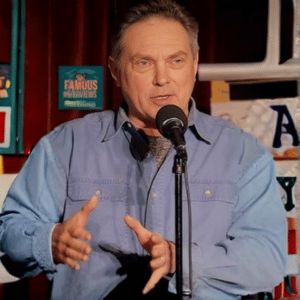
Overall, the video encourages reflection on how society can hold people accountable while allowing for human imperfection, change, and reconciliation, advocating for more empathy and constructive dialogue rather than divisive cancellation.
This episode blends psychological insight with cultural commentary to address a timely social issue.
Wacth the full video here: Cancel Culture: What are we doing to each other